
The Quiet Exit: What a Scene Owes the People Who Leave
Every scene has a person who used to be there. Most communities script the arrival in detail, and leave the exit unwritten.
Cultural Norms examines how everyday behaviors — queuing, gift-giving, apologies, hospitality — encode deep ethical commitments. What the mundane reveals about our collective morality.
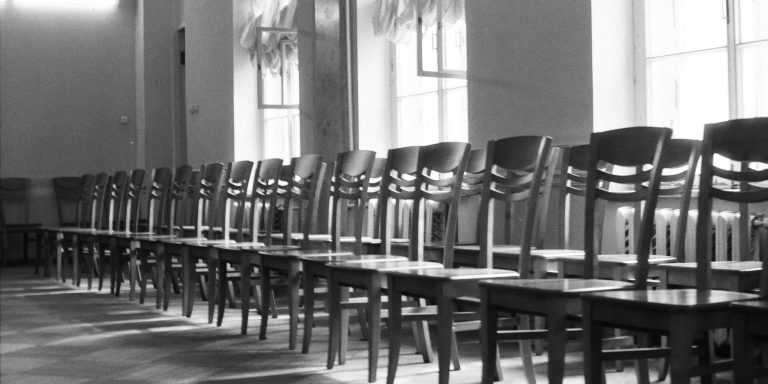
Every scene has a person who used to be there. Most communities script the arrival in detail, and leave the exit unwritten.

A bag of clothes by the door looks like the end of a decision. It is the beginning of a supply chain, and the ethics of donating lives in what happens once the hatch closes.

Applause looks like a verdict on a performance. It is really a coordination problem, and the room’s answer to it can be bought, inflated, or withheld as a punishment.
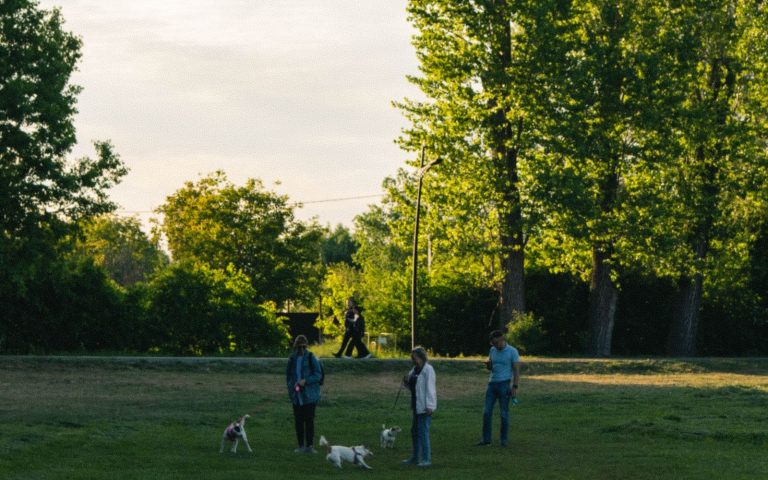
The dog park has no owner and no posted rules, yet it works anyway. It is a small commons, and it works because the people inside the fence decide, every morning, to keep it working.

Chronic lateness looks like a scheduling quirk. It is a small moral act: it spends other people’s time, the one thing that can’t be returned.
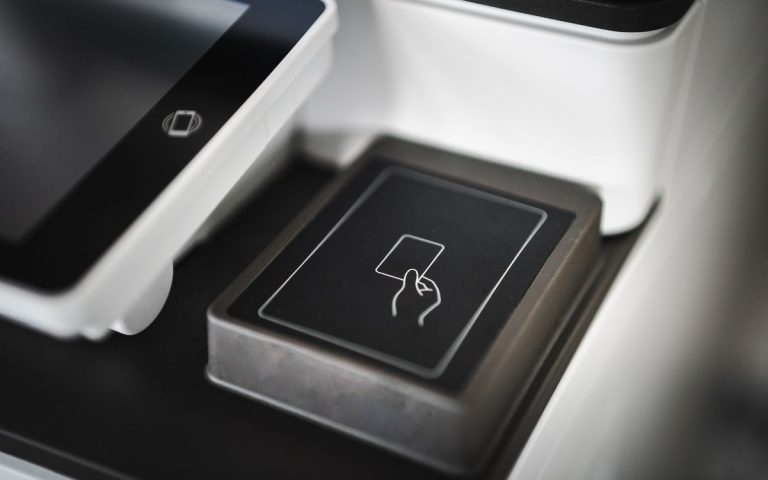
The iPad asks for a tip before you have even sat down, and the vending machine asks for a tip when there is nobody to tip. The gratuity used to be a gift. Now it is a wage with a guilt surcharge, and the customer has become the payroll department.

We treat relentless positivity as a virtue. But the demand to always look on the bright side has a hidden cost — it silences the truth, invalidates grief, and turns emotional labor into a moral requirement.

We treat people who change their minds as weak or opportunistic. But the refusal to revise a belief in the face of new evidence is not strength — it is a failure of intellectual integrity.

We confess our deepest selves to people we will never see again, while the people who know us best get a sanitized version. There is an ethics to that asymmetry.

The handshake has been the default greeting in Western cultures for centuries. Now it is in clear decline — and what replaces it tells us more about trust, community, and social fragmentation than any pandemic-era hygiene protocol ever could.