
The Bag by the Door: On Donations, Guilt, and Where Your Clothes Actually Go
A bag of clothes sits by my door for weeks before it leaves. It is a paper grocery bag, soft at the bottom, holding three shirts I have not worn in a year and a pair of shoes that pinch. The bag stays there because the hard part is already finished. Everything inside it has been decided. Carrying it to a bin or a shop counter is a formality, and the formality is where the questions live.
The bag is the easy part

Sorting a closet is the actual work. Deciding what to keep takes an afternoon of small verdicts, and the moment the discards go into a bag, those verdicts feel final. A bag of clothes looks like the end of a decision. It is the beginning of a supply chain.
Most of us never see the other end of it. We see the bin, or the counter, or the cheerful sign about changing lives, and then nothing. The clothes leave our field of vision, and leaving our field of vision is close enough to being resolved.
The trip is built to feel that way. You park, you lift the bag, you drop it through a hatch or hand it across a counter, and a small ceremony of release is over. Nothing in the design asks you to watch what happens next. That is roughly the point of a hatch.
The tidying books understand this better than they advertise. Marie Kondo’s method spends its energy on what you keep and gives the discards a single instruction: thank them and let them go. The whole emotional engine runs on release. Nobody spends a chapter on where release goes.
Where your clothes actually go
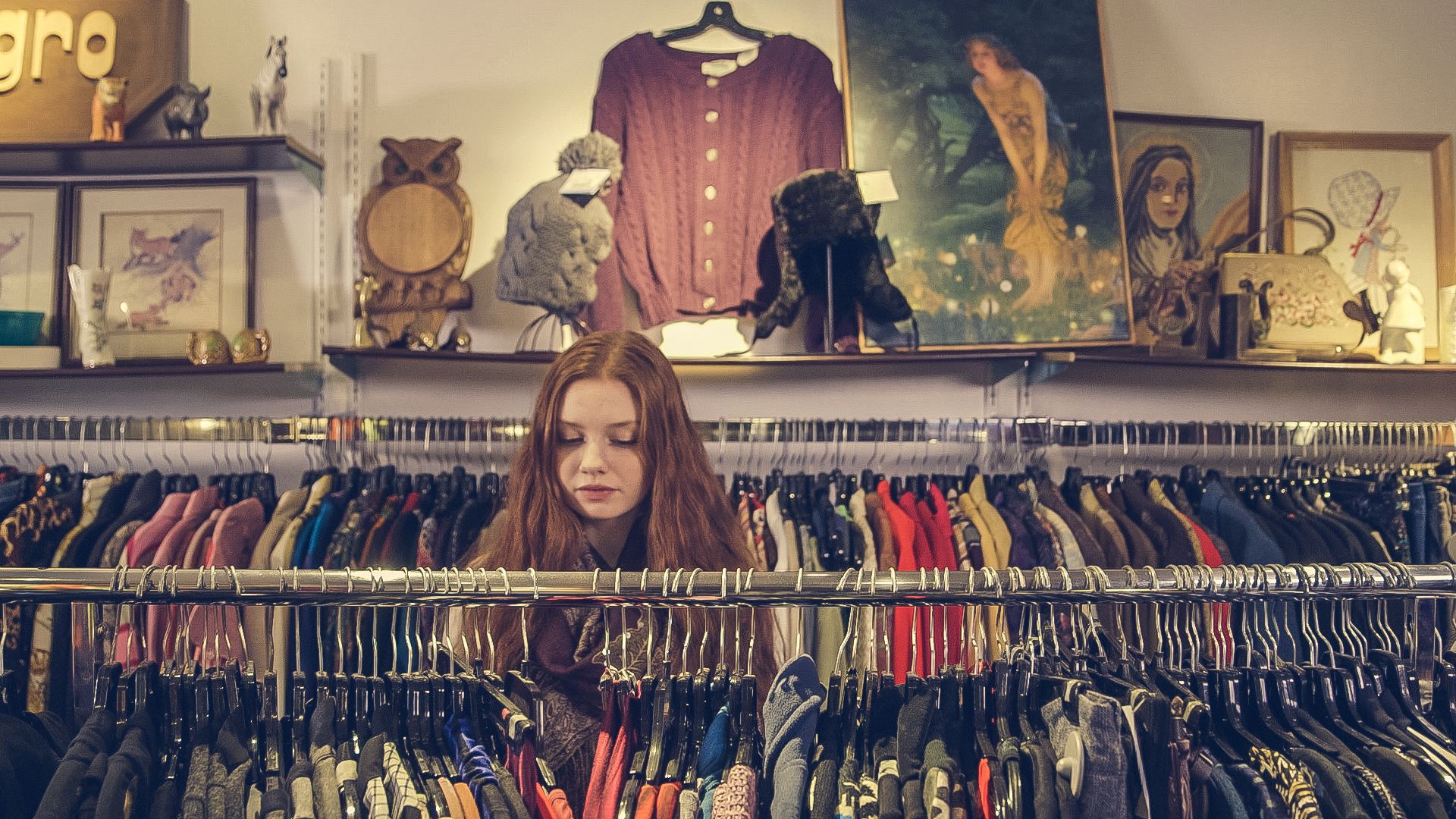
A thrift store is a business with a mission, which is not the same thing as a charity. It takes inventory in for free, sells what it can, and spends the money on a program. Adam Minter, who traced the trade for his book Secondhand, estimates that the average American thrift store sells about one third of what it is given. In a 2019 interview with NPR he put the useful part even more plainly, which is that the best thing most of us can do with a garment we no longer want is to have not bought it.
So two thirds of the pile goes elsewhere. Some is sold in bulk to graders, who sort it a second time by fabric and condition and sell the better bales on to shops overseas. Some is cut into wiping cloths or insulation. A smaller share than the word suggests is turned back into new fiber. And some is waste, with the full costs of waste, paid by whoever lives nearest to it.
The sorting is done by people, at speed, for wages, in buildings most donors will never enter. Your bag arrives with the rest of the day’s bags, gets opened, and gets judged by someone with about two seconds to form an opinion of your taste. The Ghost in the Machine made the wider point about the labor we prefer to imagine as automatic. The donation bin is one of the places it hides.
There is also a difference between the two bins people use without thinking about it. The one in a shop doorway is attached to a store that wants your coat, and the store pays staff to decide whether it can sell it. The one in a parking lot belongs to an exporter. It does not ask whether your clothes will be worn again, because the answer is not its business.
Notice what each option asks of you, as well. A parking-lot bin takes about four seconds to use, and it asks for nothing: no receipt, no questions, no obligation to check whether the thing is clean or whether anyone in particular wants it. A resale app asks for photographs, measurements, a price, a parcel, and a stranger’s haggling. The easier path is the one most of us take, and convenience shapes what we call generosity more than we usually admit.
What a bale costs on the other end
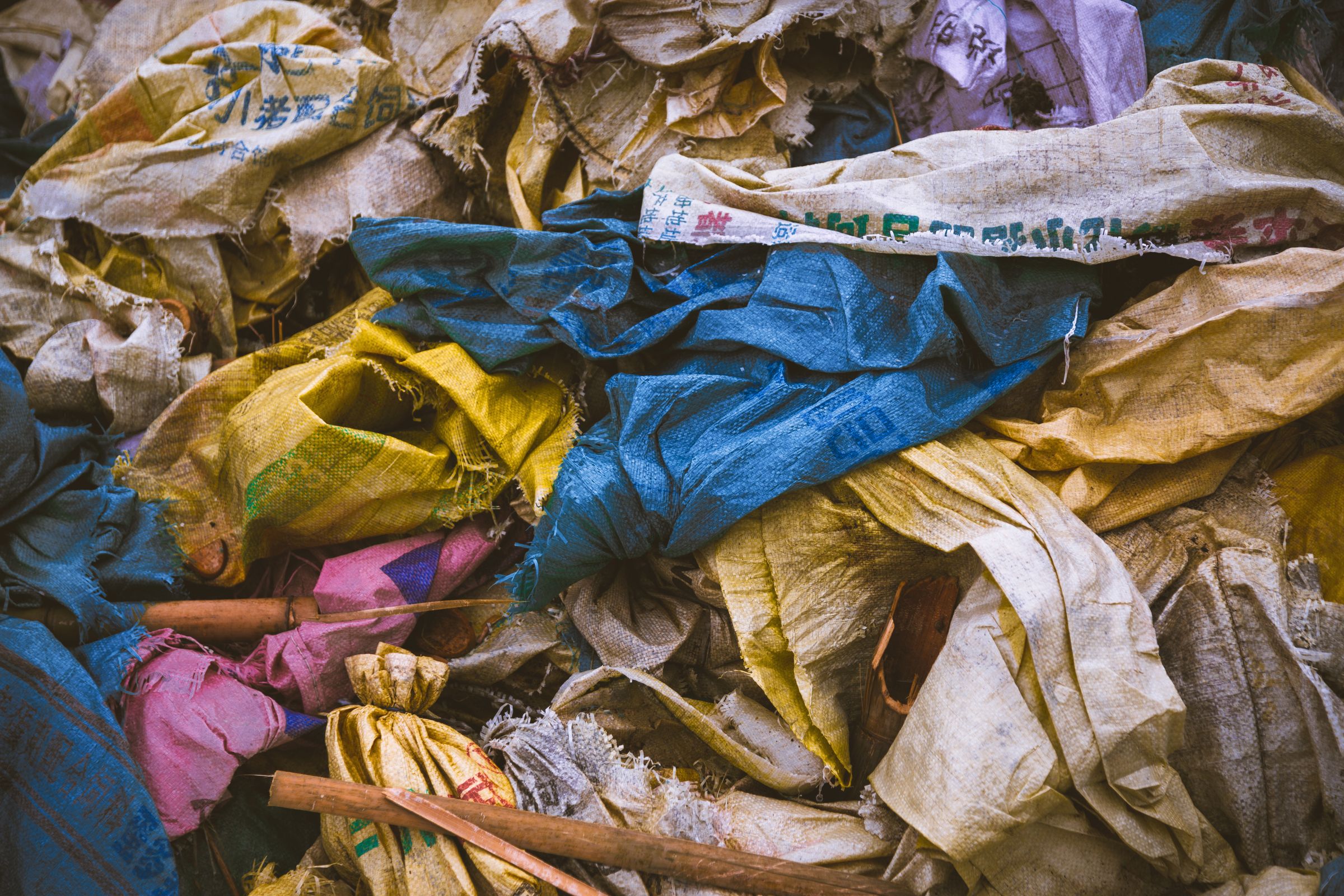
The secondhand trade is not a scandal. It is a livelihood, and in plenty of places it is the only affordable clothing market in town. Accra’s Kantamanto market takes in bales from Europe, North America and Asia every week and employs thousands of people selling, repairing and remaking what arrives. The traders there say plainly that the trade feeds their families, and they are right.
They are also the ones left holding what cannot be sold. The Guardian reported in 2023 that around 40 percent of the clothing entering Kantamanto leaves it as waste, according to the Or Foundation, ending up in drains, on beaches and in open dumps. The people who earn a living from the bales are the same people who have to deal with the contents. Some campaigners call this waste colonialism. You can set the label aside and still see the shape of it: we ship what we cannot sell to a market we do not pay to clean up.
It is hard to hold an arrangement like that in view without either going numb or going grand. The Right to Look Away is the honest reference here. The far end of a supply chain is easy to look past on purpose, and most of the time that is exactly what we do.
The guilt the bag is meant to settle
This is where the ethics actually sits. Donating a garment you no longer want is a good thing to do. It is also, often, the last act of a story that began with a purchase you did not need.
We have written before about moral licensing, the way a small good deed can discharge the sense that a larger one is owed. The bag by the door is one of the cleanest examples I know. It lets a regretted purchase end well, and ending well is enough to stop most of us from asking why the purchase happened. The bag answers one question, what do I do with this, and quietly closes the door on another: why do I keep buying clothes I do not wear.
I don’t want to overstate it. A bin is better than a landfill by nearly any measure, and a shop that turns your old coat into next month’s program budget is doing something real. The point is narrower and, I think, harder to sit with. Donating is a decent way to handle a mistake. It is not a way to unmake one, and the unmaking is the part that would change next year’s bag.
It is also not quite a gift, in the sense that matters. A gift is for someone you know and it carries a relationship with it. What goes into the bag is the garment and the leftover feeling of having bought it, and only one of those is any use to the stranger who ends up with it.
What the bag can and cannot do
The donor’s real decision was never whether to give. It was what to give. Every bag carries a cost, because someone has to open it, sort it, price it, and then pay to dispose of the things nobody will buy. When a charity accepts a torn shirt, it accepts a bill. That is the line worth drawing honestly. A donation is something a stranger might still want. Everything else is trash with a kind intention attached, and it belongs in a textile bin or a repair shop rather than on the counter of an organization that will now pay to haul it away.
The rules I have settled on are modest. Mend it first, because most of what we discard is not actually broken. Give it straight to a person who wants it when you can, which keeps it out of the bale and skips the shop entirely. If it goes in a bin, send it clean and in season, when the odds of a sale go up. And notice, at the moment of buying, that every garment you own is a future bag. Buying less is not really a sacrifice. It is a way of not having this conversation again in eighteen months.
The bag by my door is smaller than it used to be, and it leaves sooner. Not because I feel better about it. Because I finally understood that the bag is a shipment, not an ending. Shipments go somewhere. It seems worth knowing where.