Buy Three, Keep One: On Free Returns and the Ethics of Changing Your Mind
The UPS Store on the Tuesday before Thanksgiving has a line that moves two ways. A queue of people holding open boxes, labels already printed. At the counter, a clerk with a tape gun who does not ask why. Somewhere in the pile is a pair of boots with the tags still on, a lamp in the wrong color, a phone case for a phone that got returned first.
Nobody in that line is doing anything shameful. Almost everyone is doing something sensible. And the sum of all that sensible behavior has turned into one of the largest flows of goods in American retail, most of it moving in the wrong direction.
The National Retail Federation and Happy Returns put total returns at $890 billion in 2024, or 16.9 percent of everything sold. In 2019, the figure was 8.1 percent and $309 billion. Nothing about the merchandise changed in those five years. What changed is what a purchase is.
The box that comes back
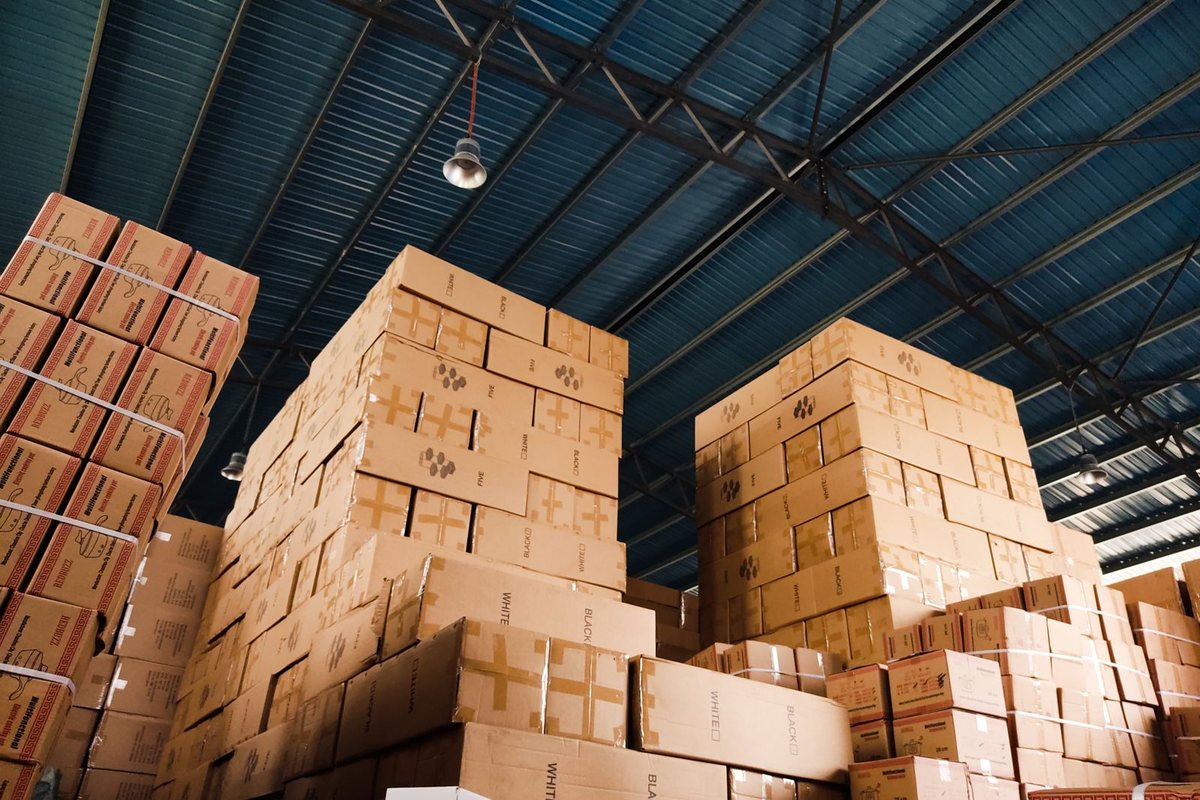
Follow one item. It leaves a warehouse in a truck, sits on a porch, gets opened, and then reverses the whole trip: another label, another van, another dock. At the returns center someone opens the box, checks the contents, and makes a judgment. Restock it, send it to liquidation, or scrap it. Each path costs labor, and labor is the expensive part. A worker’s four minutes of attention on a nineteen-dollar shirt can be worth more than the shirt.
This is why “free returns” is a slightly dishonest phrase. The return is not free. It is prepaid, priced into the item you keep, spread across every customer who buys anything. The person who orders once and keeps it subsidizes the person who orders four and keeps one. Per transaction the transfer is pennies. Across a year of retail it is one of the biggest line items in the industry, and it is invisible on both receipts.
The old mail-order catalogs understood the tradeoff because they had to. They were selling to people who could not touch the goods, and a generous return policy was how they made that distance tolerable.
A promise with a price on it
L.L. Bean built a company on that problem. For a century its catalog carried a guarantee most retailers would not have dared to print: if you were not satisfied, send it back, even years later, even worn. The promise was the product as much as the boots were. It survived two world wars and the arrival of the website.
It did not survive the return era. In February 2018 the company cut the guarantee to one year with a receipt. Its executive chairman said a small but growing number of customers had been reading the promise well beyond its intent, including people buying worn Bean gear at yard sales and returning it for full credit. The company put the cost at $250 million over five years, with abusive returns having doubled to about 15 percent of the total.
A guarantee is a moral instrument, and a fairly sophisticated one. It moves risk from the buyer, who cannot inspect the goods, to the seller, who made them. That shift is a genuine kindness when the seller knows more about the product than the buyer. Free returns generalized the same instrument to everything and then made it invisible. There was no letter to customers, no announcement on the catalog cover. Just a checkbox at checkout and a prepaid label in the box.
When a promise becomes a default setting, people stop reading it as a promise. It becomes weather.
We have written before about what happens to ownership when possession turns temporary. The return window does a smaller version of the same thing. For thirty days the coat in your closet is only provisionally yours, which is a strange thing to feel about a coat.
The fitting room moved into your house
Retailers have a word for the most common version of this: bracketing. You order the medium, the large, and the small, keep one, and send two back. It exists because the fitting room moved. Stores closed, floor space got expensive, and the try-on landed on your bedroom floor. The uncertainty did not disappear when the store did. It got relocated, and the return label pays for the move.
Ordering three sizes is, on its own, an honest hedge. The trouble is arithmetic. Two extra garments make two extra trips in each direction, two inspections, two chances to be marked down or scrapped. Nobody who brackets thinks of themselves as generating volume. They think of themselves as avoiding a wasted trip, which is exactly what they are doing.
It is also worth noticing who set this up. Seventy-six percent of shoppers say free returns affect where they choose to shop. Merchants advertise the policy because they cannot afford not to, and then they have to absorb the behavior the policy creates. The customer did not invent bracketing. Somebody made it rational, then made it easy, then put it in the banner.
That does not exonerate anyone. A structure can make a choice cheap without making it costless. Someone still pays, and it is rarely the person holding the box.
Where the thing goes
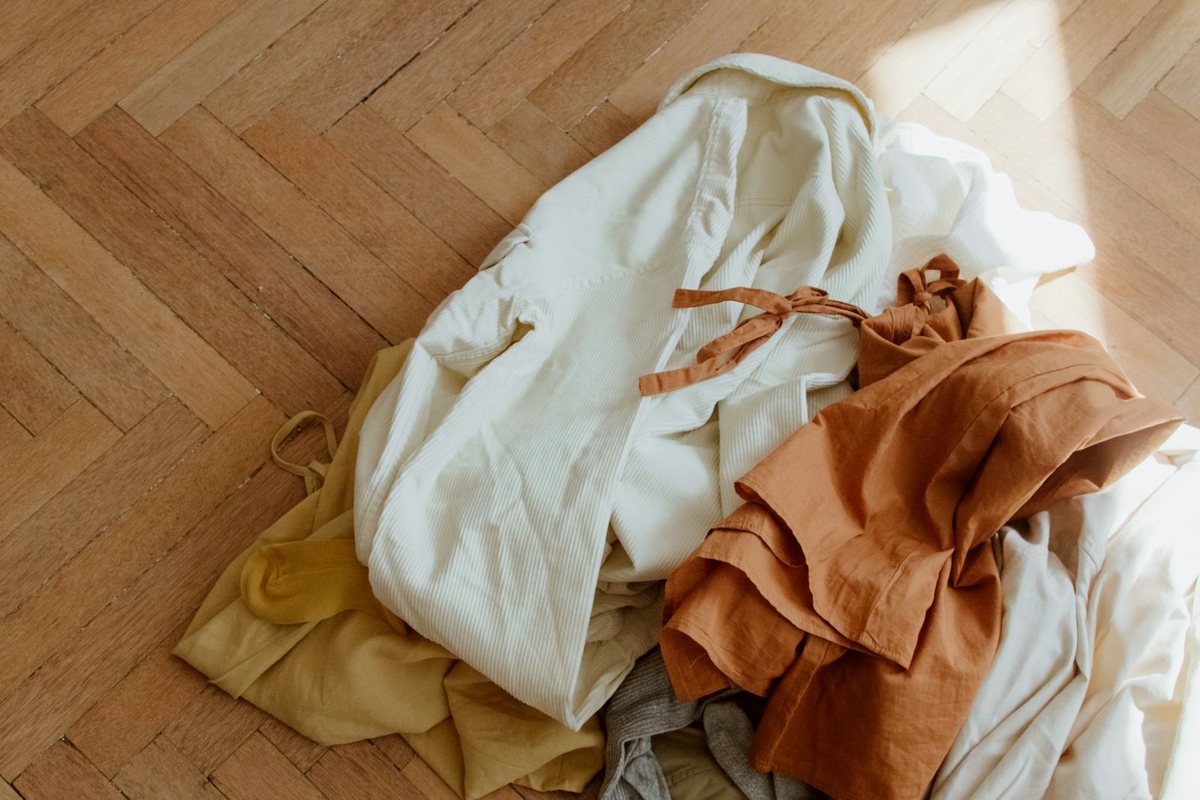
A returned item does not usually go back on the shelf where you found it. It goes to a facility, gets sorted, and enters a second economy: pallets sold by the truckload, “customer returns, sold as is,” bins at outlet stores. Some of it is destroyed, because storing and re-listing a cheap object can cost more than the object is worth.
We have written before about the bag by the door and the comforting story we tell ourselves about where donated clothes go. Returns are the same story with less virtue in it. At least the donation was meant as a gift. A return is a decision withdrawn, and the object has already been through the whole system once.
The two ways to be wrong
There is a moralistic version of this essay, and I do not want to write it. In that version, returns are a scam, the people in the line are freeloaders, and the fix is shame.
That version gets the basics wrong. A return is a term of the sale. The seller wrote the policy, printed it on the receipt, and built a business around it. Using a policy that was offered to you is not theft, even when it is tedious for the person processing it. A customer who buys three sizes because the seller made sizing unknowable is doing what the seller’s own system rewards.
There is a cynical version too. In that version, returns are a marketing cost, the customer is always right, and the only real question is how to price the policy. That version gets the stakes wrong. Something can be permitted and still be contemptible. And the well is not bottomless; L.L. Bean’s letter is what the bottom of it looks like.
The acts that are actually dishonest are narrow and specific. Wearing a dress to a wedding and sending it back on Monday. Buying worn boots at a yard sale and returning them for retail credit. Ordering a specialized tool for one weekend job. Appriss Retail and Deloitte estimated fraudulent returns at around $103 billion in 2024, roughly 15 percent of the total. The person at the counter cannot tell any of that apart from an honest return, because the box looks the same. So the policy gets written for the worst case, and the honest customer absorbs the cost of someone else’s cleverness. That is how a small amount of fraud spends down a shared resource: not by bankrupting the store, but by making every future transaction a little more suspicious.
The return and the review are the two instruments a customer holds against a seller. We have written before about what happens when the second one becomes a weapon. The first one works the same way. A tool that is good in your hand is also a tool that gets used on people who did not deserve it, and the damage lands on the next customer in line.
What a receipt used to mean
I am not going to pretend the old arrangement was better. Mail order was a gamble for people who could not get to a store, and the generous policy was a real corrective. Anyone who has been housebound, or lived an hour from the nearest mall, or tried to buy shoes for a child who will not sit still knows the value of being able to send something back. Free returns are a genuine good and I would not want them gone.
What changed is smaller and stranger than the disappearance of a virtue. A receipt used to be a record of a decision. Now it is an option on one. The object in the bag is the same object either way, but the way you hold it is different.
The pause
Before checkout, the question worth asking is whether you would keep the thing if returning it cost you an hour and ten dollars. You are allowed to send it back. That was never in doubt.
That question is a better test than any policy, because it separates two things that get confused. A defect, a wrong size, a thing that arrived broken: those are the failures the system is built for, and using it is fair. A purchase you were never sure about, made because the uncertainty was cheap to escape: that is a different act, and it is worth naming, at least to yourself.
Nick Thorpe argued in an essay for Aeon that the problem with our society is not that we value material things too much but that we do not value them enough. That sounds backwards until you watch a warehouse full of things nobody valued enough to keep. Attention and repair are what make an object worth having. A thing you have decided to keep is a different object from a thing you are still auditioning.
The practical fix is sequence, not austerity. Order one, live with it for a week, then order the rest. If you cannot do that, the item was probably not the point.
The line at the UPS Store moved at the usual speed. The boxes went into the back, and somewhere a clerk will open them and decide what they are now. By then the decision that mattered had already been made, weeks earlier, by someone who was not thinking about the warehouse at all. The ethics of the return get settled in the three seconds before the click, not the thirty days after it.