How Much Do You Tip a Robot? On the Moral Confusion of the Tipping Screen
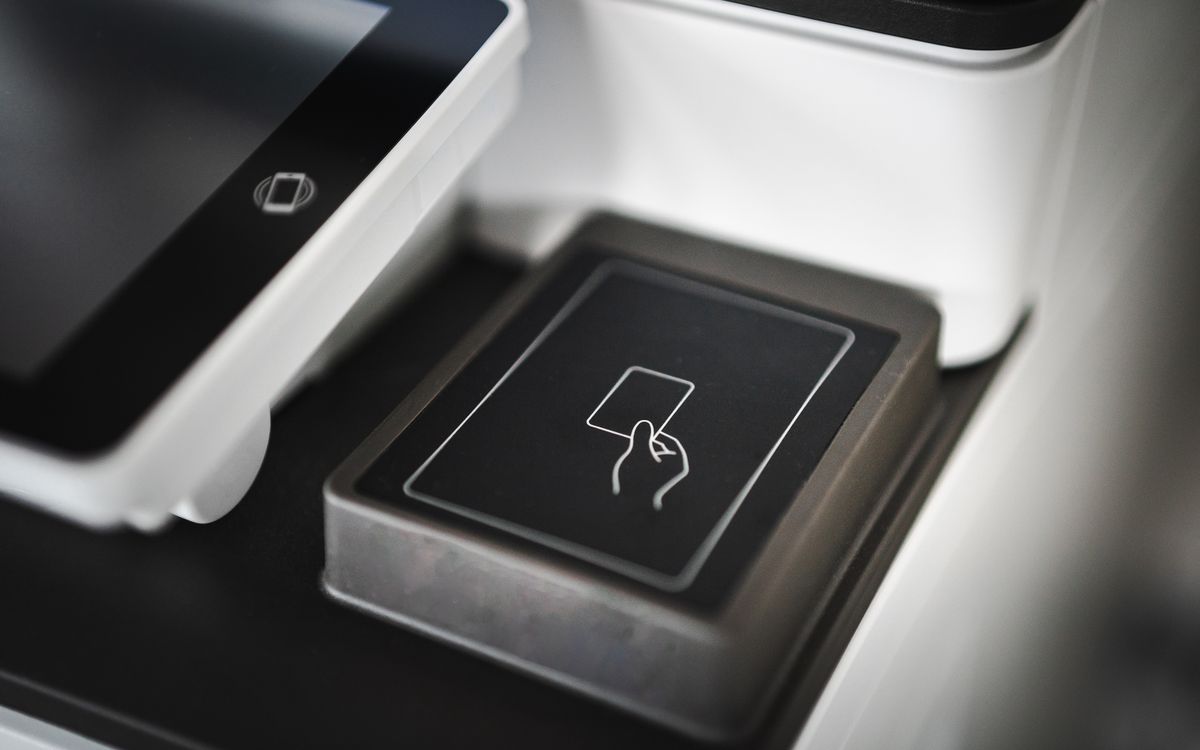
The iPad comes around the counter with the barista’s hand still on it. Three buttons glow: No Tip. 15%. 20%. 25%. Below them sits a smaller option for a custom amount, which everyone understands is where you go if you want to feel cheap in private.
I tap 20%. She is standing right there. I have done this so many times that I stopped thinking about it, and that is exactly what the screen is for.
Then I bought a burger from a vending machine. It took my card, processed the payment, and asked for a tip. There was no one within twenty feet of me. I stood in the fluorescent light of an empty lobby and felt the same small pressure I feel at the coffee counter, which is when I started asking what that feeling actually is.
What a tip used to be
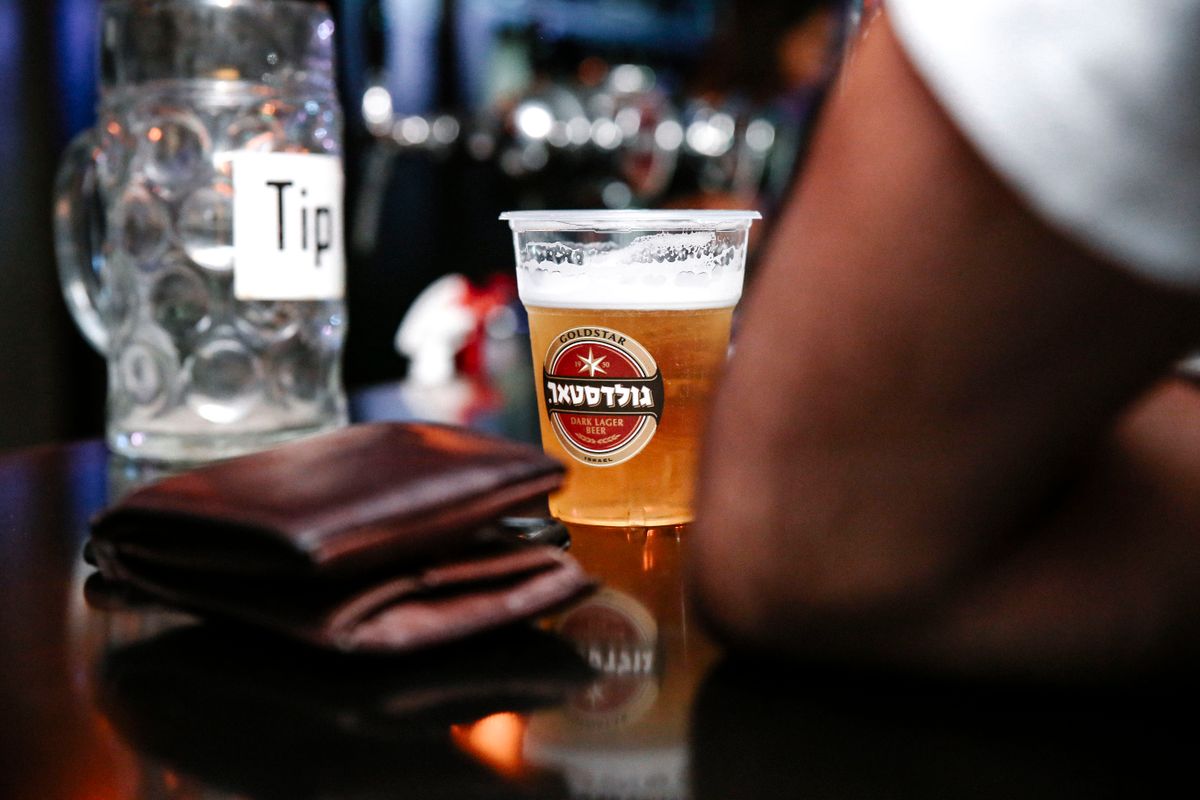
A tip started as a gift. You gave it after the service, in cash, to a person, and you could choose not to. The jar by the register still works this way. It is anonymous. No one watches you drop a dollar in or walk past. The jar asks nothing of you, which is why it feels different, and the difference is the whole story.
The American version of tipping has a grubbier history than the word “gratuity” suggests. It arrived in force after the Civil War, imported from Europe, and employers embraced it partly because it let them push the cost of labor onto customers, often specifically to avoid paying newly freed Black workers a wage. An anti-tipping movement followed in the early 1900s, and several states briefly outlawed the practice. The movement lost, and the custom stayed. The Aeon essay “Is Tipping a Thoughtful Gift or a Demeaning Hand-Out?” wrestles with exactly this paradox: we tip some workers and not others who labor just as hard, and the same gesture that is insulting in Tokyo is offensive to skip in New York.
What the screen changed
The screen did not invent tipping. It rewrote the moral logic of it, in three quiet moves.
The first move was timing. The tip now comes before you sit down, before the food arrives, before you know whether the service is any good. A gift that arrives before the deed is not a gift. It is a toll.
The second move was the audience. The jar lets you pass by. The screen is held by the person who served you, and it waits. The pause between the buttons and your thumb is a social event, and everyone in the line behind you is a witness. We have written before about how the queue works as a moral technology, a small script that carries a whole theory of fairness. The tipping screen is the same kind of script, except the fairness it encodes is one-sided.
The third move was the defaults. The screen does the deciding for you. The “No Tip” button is engineered to feel like a small act of aggression, and the percentages are arranged so that the middle option is the least you can pick without shame. Defaults are powerful. We know this from retirement savings and organ donation, where the checkbox you start with quietly decides what most people end up with. The tip screen borrows that power and points it at the customer’s conscience.
None of this is an accident. The screen is a designed object, and its design choices carry a moral position: the customer should pay the worker’s wage, in public, under social pressure, one transaction at a time.
The robot problem
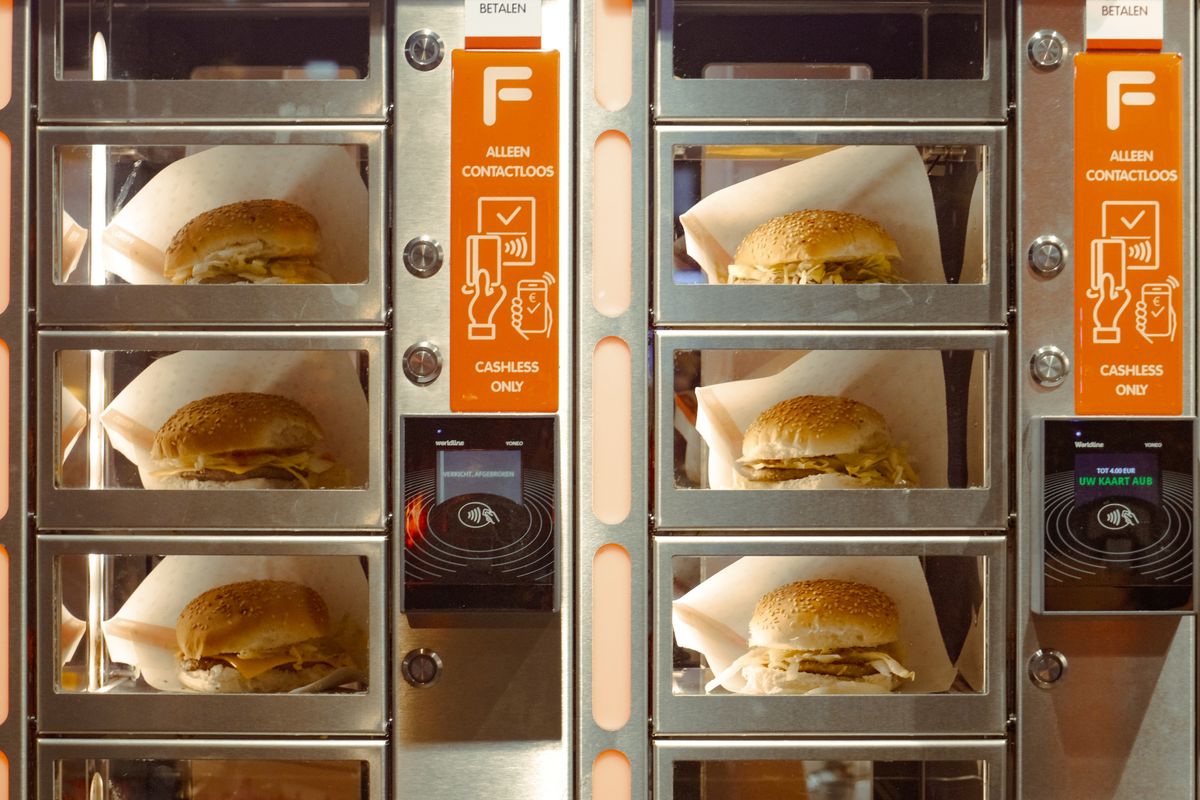
The vending machine makes the confusion visible. If no person served you, what is the tip for?
The machine that sold me the burger was stocked by a person, and a person cooked the patty. The ingredients were grown and shipped by people who will never see the screen. We have written about the human labor we pretend does not exist, the work that vanishes behind interfaces and receipts. The tip screen is where that hidden labor suddenly surfaces as a question, aimed at the one person in the room who has no information about any of it.
Delivery apps push the same confusion further. They ask for the tip before the food arrives. You have not seen the driver. You do not know if the order is right. The timer runs while you decide. The tip has stopped being a response to service, but it keeps the emotional shape of one.
I keep coming back to the oddity of feeling social pressure from a machine. There is no one to make eye contact with, and still the screen manages to ask. That is a small piece of design genius and a larger piece of moral cowardice. The system wants the warm feeling of generosity attached to what is actually a transfer of the employer’s cost.
The case for tipping
I should say the obvious complication: many tipped workers prefer the current arrangement. A good server in a busy restaurant can earn well above minimum wage, and some studies find that customers reward attentiveness in ways a flat wage never would. A 2025 study in the Journal of Business Ethics found chefs and chef-owners defending gratuity in moral terms, as a way of honoring work that hospitality’s economics otherwise erase.
That matters. Anyone who argues for abolishing tipping should have to answer to the server who pays rent with tips and does not want the experiment run on them. The no-tipping movement has come and gone in American restaurants more than once, and it has often ended with prices going up and wages going sideways, which tells you something about where the savings actually went.
But the case for tipping is a case for tipping as a gift. It is not a case for the screen. The screen keeps the risk of the old system, where income depends on the mood of strangers, and adds a new burden: the customer now performs the employer’s accounting in public, minus the salary data and the schedule.
Who should pay the wage
The federal tipped minimum wage in the United States is $2.13 an hour. That number is a policy choice, not a law of economics. Employers are allowed to pay less than the minimum wage on the assumption that customers will make up the difference, and the difference is collected one awkward screen at a time.
This is where the confusion stops being curious and starts costing people money. We have written about the gap between justice and equity, about how systems that claim to treat everyone the same end up failing the people with the least slack. The tip system is a case study. It fails the same people it always fails: workers whose income depends on the whims of strangers, and customers who can least afford a social tax added to every coffee and sandwich.
Other countries solved this by putting the wage in the price. The menu includes the labor, the tip disappears, and nobody performs gratitude for an audience. In Japan, leaving a tip is considered an insult, not because the Japanese are cold, but because a wage is a wage and a gift is a gift, and confusing the two is the disrespectful part.
How to live inside the contradiction
I am not going to tell you to stop tipping. The person holding the iPad is not the person who designed the screen. Refusing to tip a barista to make a point about wage policy punishes the wrong person, and they cannot do anything about it.
Tip in cash when you can. It goes straight to the worker, and no payment processor takes a cut. Tip what you can afford and stop apologizing for it. And when the machine asks, notice that you are being asked at all.
The awkwardness is information. That small pressure when the screen turns toward you is the feeling of a moral question being asked in the wrong place. The question is not “how was the service?” The question is “who should pay this person’s wage?” The screen has decided the answer is you, in public, right now.
I still tap 20% when the barista is watching. I will probably keep doing it. But I have stopped believing the screen is asking about service. It is asking me to do someone else’s job, and the least I can do is notice.