

The Maybe: On RSVPs and the People Who Do the Counting
Sixteen people in a group chat, one birthday dinner, and a question that gets asked four times over eleven days. The restaurant takes reservations for parties of eight or more. The host needs a number by Thursday.
By Thursday she has nine yeses, six maybes, and one person who has read every message and typed nothing. She books for twelve, because twelve is the number that will not humiliate her if the maybes turn into yeses. Two maybes come. Four people who said yes do not. At the end of the table there is an empty chair that has been paid for, and a deposit she covers without mentioning it.
I have hosted that dinner. I have also been the maybe, more than once, and in the same month. The interesting question is who was carrying the uncertainty, and whether either of us noticed the trade.
What the letters are asking
RSVP is French for répondez s’il vous plaît, please reply. The telling part is that the request has to exist at all. An invitation that assumed an answer would not need to ask for one. We have been asking so long that we now ask twice, in bold, with a date attached. RSVP by Thursday. Please respond either way. The second request is an admission about the first.
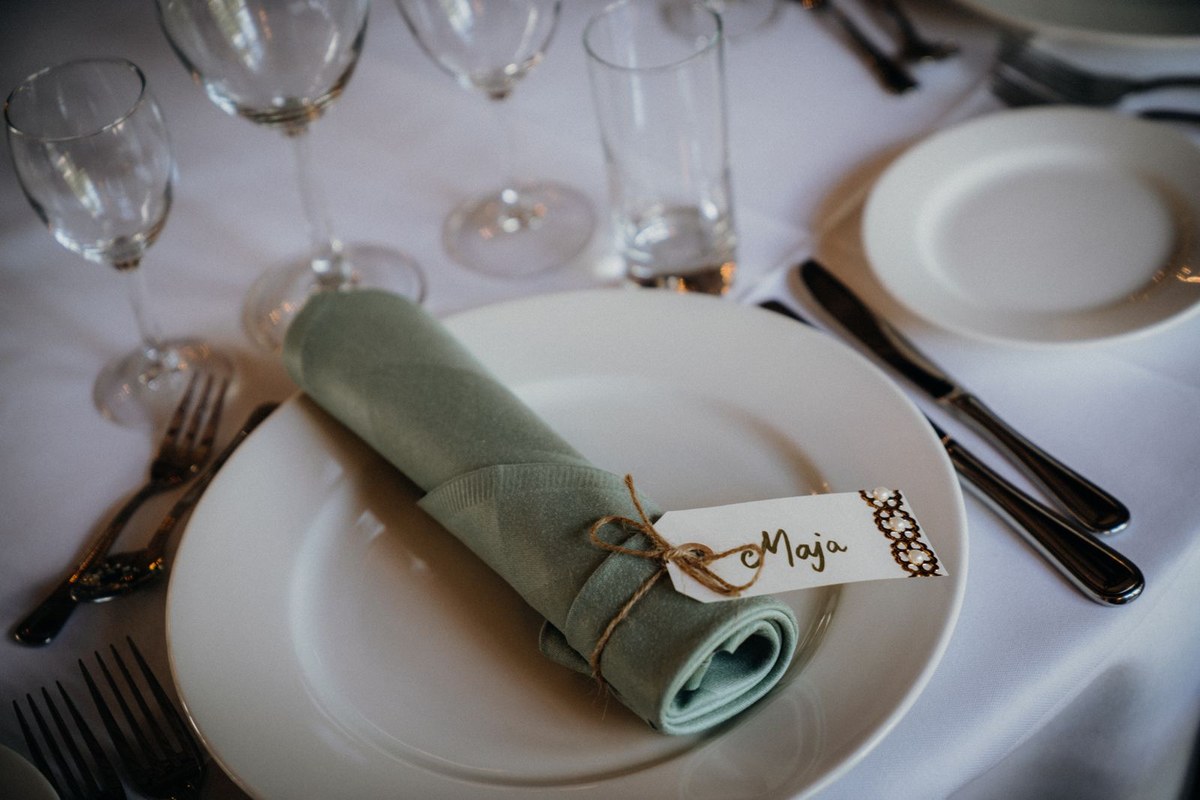
An invitation is a small offer with a deadline, and the deadline is not decoration. Somebody has to hold a table, buy food, count chairs, make up the spare room, or hire the extra sitter. The reply is the one piece of information that lets any of that happen. Without it the host is planning in the dark and budgeting for the worst case, which is how a dinner for nine quietly becomes a booking for fourteen.
Etiquette stops at what should have happened. The ethics start with what a maybe does to the person on the other end of it.
A maybe is an unpriced option
An option, in the financial sense, is the right but not the obligation to decide later. Options cost money, and not out of greed. Holding one moves risk from the holder to the other side of the trade, and the price is roughly what that risk is worth to whoever has to carry it.
A maybe in a group chat is an option priced at zero. The person holding it keeps Saturday open and decides on Saturday. The host carries everything that comes with not knowing: the deposit, the spare chair, the food that gets thrown out, the mental tab that stays open until the last guest leaves. None of that cost disappears. It changes address.
A free option creates a specific problem. When a signal carries no information, the person receiving it has to plan for the worst case and pay for it. Six maybes do not mean six people might come. They mean the host must assume all six will arrive, or risk being the one with nowhere to put them.
Saira Khan’s essay on commitment and cooperation is useful here, since it explains why a signal only counts when breaking it costs something. In her account, a commitment works by changing two things at once: what the other person expects you to do, and what you would pay for backing out. Reputation does the enforcing. A maybe changes neither, which makes it a signal with the signal removed.
Why we hedge
The people sending maybes are not villains, and treating them as rude misses what is happening. The reasons are decent ones. Turning down a friend’s birthday feels like a small rejection even when it is a scheduling fact. Some weeks genuinely are uncertain. Plenty of us grew up believing that a no needs a justification, and when the real justification is I would rather stay home, we reach for a softer word and hope it will carry the weight.
Notice what the soft word protects. If a guest says yes and cancels, the disappointment is visible and the guest owns it. If the guest says maybe, the disappointment is still real but it belongs to the host, who has to keep re-planning around a shape that never resolves. The guest’s reputation stays intact. The host’s evening does not.
Two seconds of discomfort buys the guest a clear conscience. The host carries an unresolved variable for six days, and it gets heavier as the date approaches, because at some point a decision has to be made without the missing information.
Then there is the other kind of maybe, the one that is not uncertainty at all. Somebody is waiting to see whether a better offer arrives. They are not confused about Saturday. They are keeping Saturday in reserve in case something more interesting appears, and the reservation sits with a person who has not been told they are in a competition. That is a choice, and it is made with somebody else’s deposit and somebody else’s evening.
A fair objection: some hosts plan in a way that turns an invitation into a bill. The group dinner becomes a standing obligation, the birthday becomes a test of loyalty, and the guest who cannot afford the restaurant or the Saturday is left inventing excuses. In that setting a vague answer is a defense, and a weak one, but a defense. The ethics of the maybe depend on whether the invitation was an offer or a draft notice.
The person who counts
The counting is real work. Somebody keeps the list, sends the follow-ups, notices when the number moves from eleven to fourteen, calls the restaurant, and absorbs the difference when it does not work out. In most circles I have been part of, that person is the same person every time, and nobody assigned the role. It arrived because they were the one who noticed the date approaching.
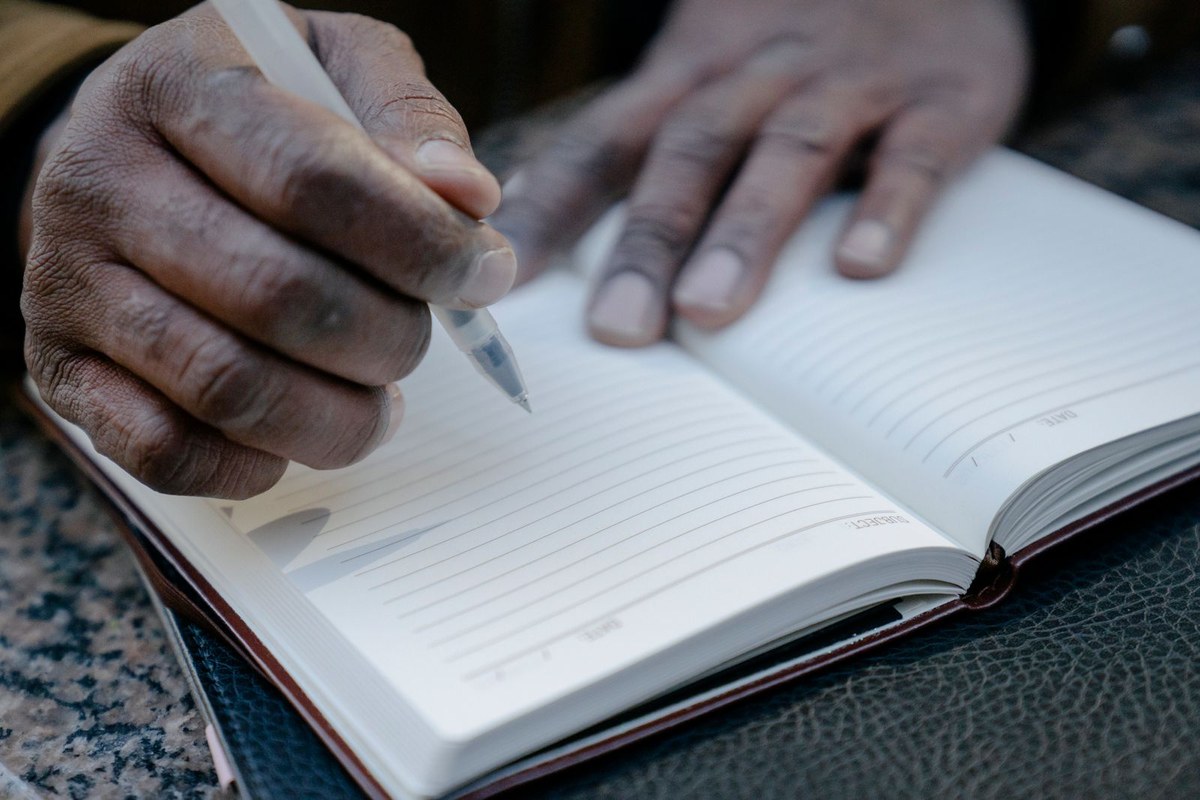
It has the same shape as the labor that keeps families and friend groups in contact at all: the birthday remembered, the card sent, the thread started. That work falls unevenly, and mostly on the same women. The cartoonist Emma gave the modern version of it a name in The Mental Load, a comic about a partner who does exactly what he is asked and nothing that he is not. The part of the job that consists of noticing the job exists never appears on any list.
A maybe is a small tax on that person’s attention, and a tax is easier to pay when you can see it. We have written before about the person for whom other people’s time is a renewable resource, and something similar is at work here. Lateness and maybes are different failures with the same assumption underneath: that the schedule someone else is holding will bend to fit you, because it always has.
The group chat makes this worse rather than better. A plan that a phone call would once have settled now sits in a thread where every message can be edited by silence. We wrote about what the group chat does to the ethics of the unanswered message, and the invitation is the clearest case of it. A thread is a place where a plan can be discussed forever, which also makes it a place where a plan can fail to happen while everyone feels involved.
The honest maybe
There is a version of the maybe that works, and it has one feature: a deadline. I’m on call that weekend. I’ll know Wednesday and I’ll tell you either way is a complete answer. It says what the host should plan for and when the question closes. Maybe! with nothing attached is not an answer. It is a way of not answering that keeps the other person hoping, and hope is the most expensive thing you can leave someone holding.
We’ll figure it out is sometimes true and generous. Often it is a way of appointing someone else to do the figuring, and the someone else is usually the person who has been doing it all along. If nobody has been appointed, nothing gets figured out, and the plan fails quietly a week later.
Hosts carry a share of this, and theirs is the harder share. Make the no cheap. Name the number, name the deadline, and mean it when you say you will not be offended. Then behave as though you meant it. A host who goes quiet for a week after a decline teaches every future guest that the honest answer costs more than the vague one, and the maybes return in force.
The guest’s side is simpler than it feels. Answer with the information you have, on time. If you commit and the world changes, say so as soon as you know, because an early change costs everybody less. We have written about what a scene owes the people who leave, and the same logic holds for the invitation you accept and later cannot make. The exit is not the sin. The silence is.
What a yes is worth
Reliability is unglamorous. Nobody writes a toast about the friend who confirmed by Tuesday. It also happens to be the thing that makes the good evenings possible, since every warm, crowded table is the end result of a dozen small answers that people bothered to give.
There is a practical return that nobody likes to admit. The friend who answers clearly is the friend who gets invited again, and not because hosts are keeping score. It is because inviting them is easy, and easy is the only thing an exhausted host can manage on a Thursday night.
The next invitation that lands, answer it while you are still holding the phone if you can. If you cannot, say when you will know. If the answer is no, say no, and let somebody plan around the truth instead of a shape that looks like a yes.
Somewhere there is a person with a list open in a notebook, doing arithmetic on people they love. The list would like to be finished.