
The Excuse Is Always Traffic: On Chronic Lateness and the People Who Wait
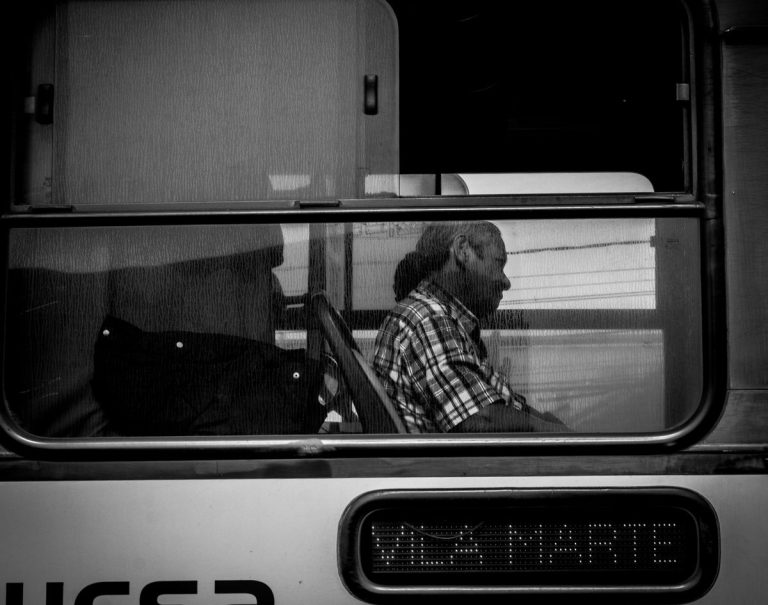
I have a friend who is late to everything. Dinner at seven means eight. The train she says she is catching is the one she hopes to catch. For years I absorbed the difference without making a fuss, the way you do with people you love, until one evening I did the arithmetic. Twenty minutes here, fifteen there, a few hours across the year, most of it spent in a restaurant with a menu I had already read twice, watching the door. She never saw any of it. That is the thing about lateness. The cost is paid entirely by the person who waits.
We file being late under scheduling accidents and personality quirks, a small failing on the level of forgetting a name. Chronic lateness is not that. It is a small moral act, repeated. Every time you are late you spend someone else’s time without asking, and time is the one thing nobody can give back.
The one thing you can’t give back
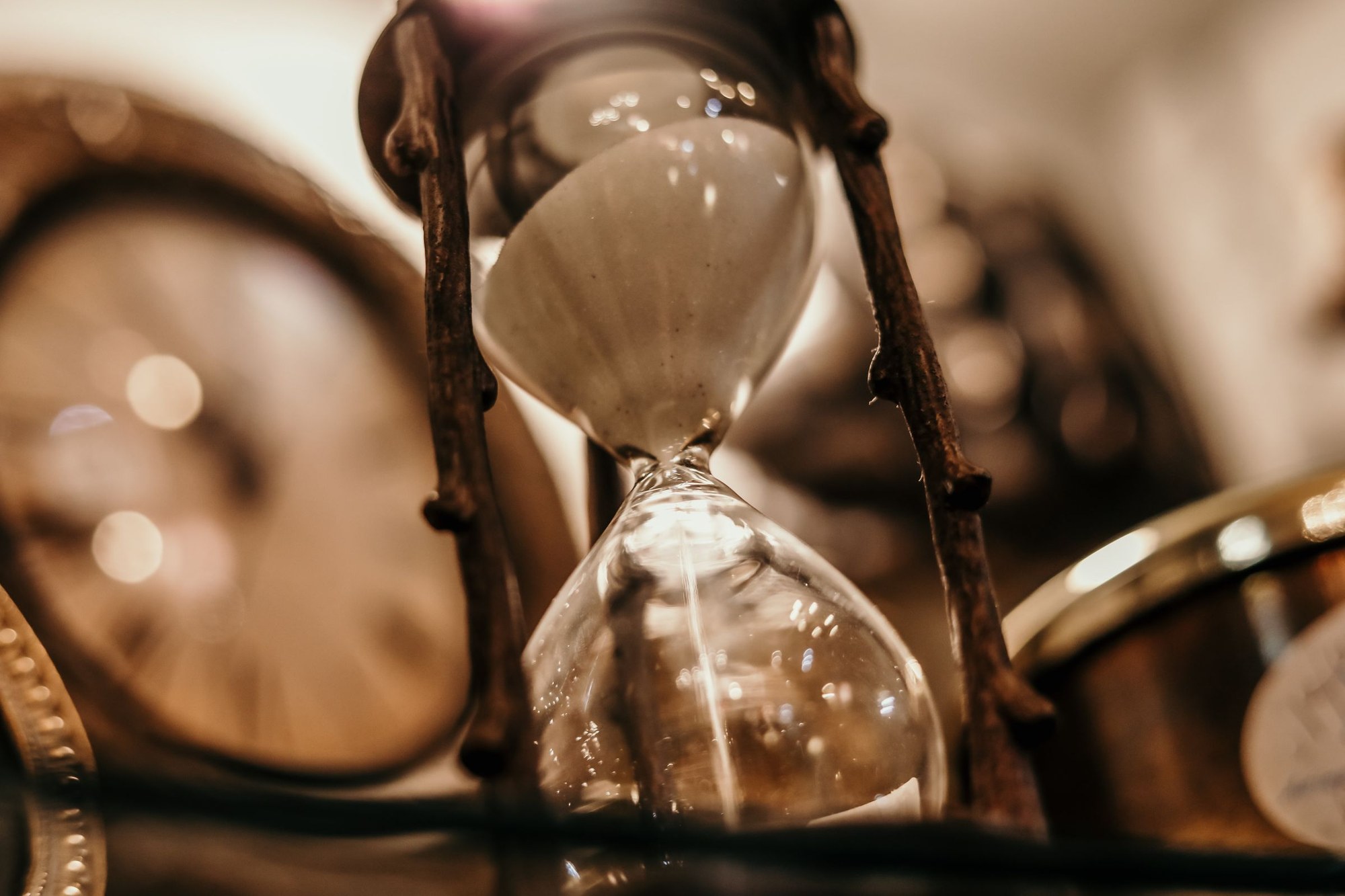
Money can be repaid. A broken object can be replaced. An evening spent watching the door is gone in a way nothing else is, which is why waiting stings more than other inconveniences. A late friend costs you minutes, but it is worse than that: they are taking something you will never see again, and doing it without asking.
We have written about the queue as a moral technology, a machine for fairness built out of other people’s time. The late person does not cut the line. They make someone else stand in it for them. Punctuality, seen this way, is a gift: you show up carrying your share of the waiting. Being late is handing that share to someone else and calling it traffic.
Who waits for whom
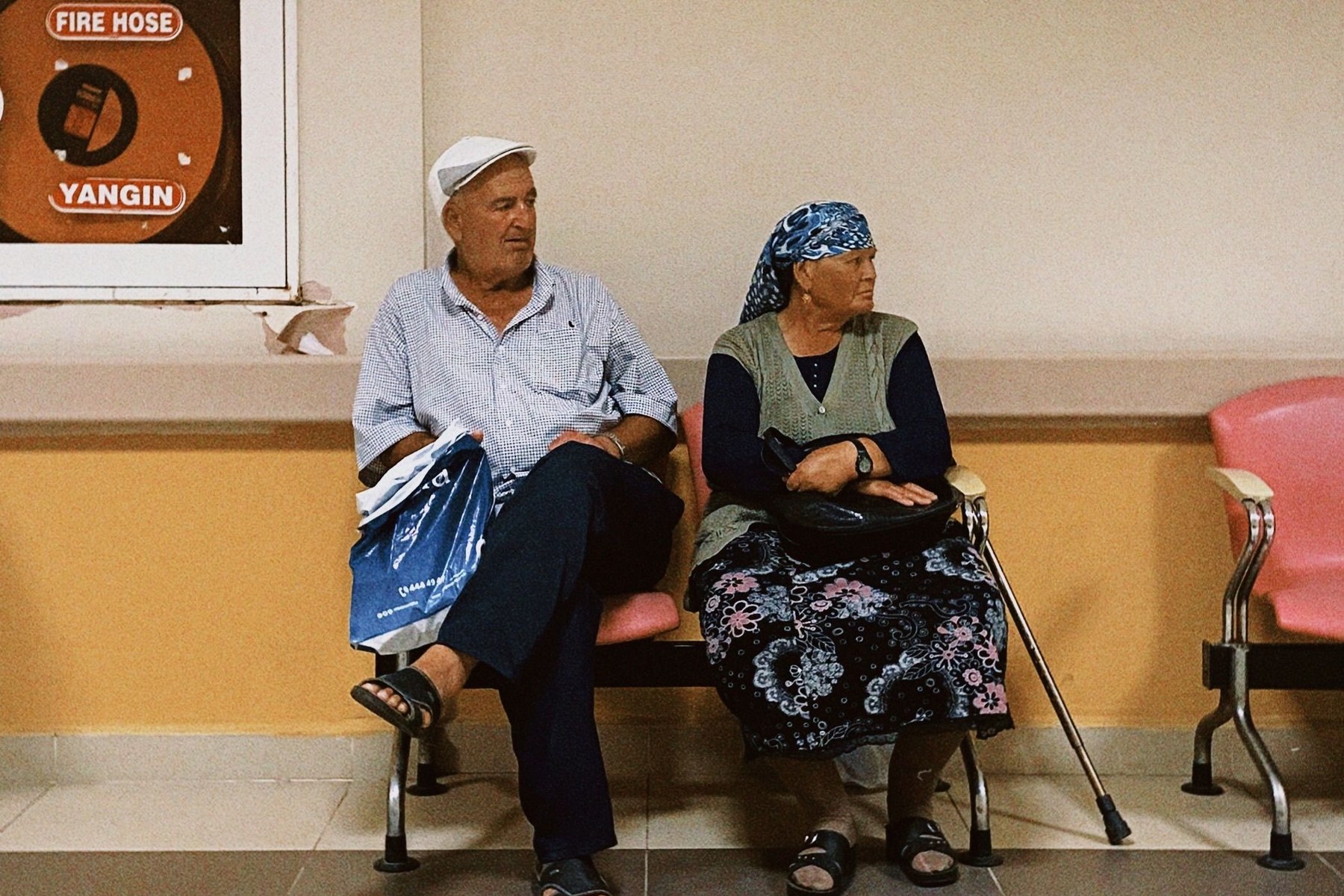
Watch who is late and who waits and the pattern appears. The doctor is late; the patients wait. The executive is late; the meeting starts when she arrives. The famous are late; everyone else’s schedule bends. In friendships the same gradient runs quieter. The person who cares less sets the pace.
There is one socially sanctioned version of this, the party entrance. Arriving fashionably late is a way of announcing that your arrival is the event, that the room has been waiting for you and the waiting was the point. It is the same claim as the executive’s, dressed for company.
Jason Farman, whose Psyche guide to waiting well is the best short thing I have read on the subject, puts the mechanics plainly: wait times can be used by others to remind us of their power, a way of claiming priority over time. Making someone wait is a claim, usually unspoken, that your minutes are worth more than theirs. Most people would never say that out loud. Lateness is how they say it without saying it.
Notice who gets kept waiting. It is almost always the people who cannot push back. Your boss keeps you waiting; you do not keep your boss waiting. The friend who always forgives you is asked to forgive you again. Chronic lateness is a tax on the people who will not charge you for it.
The excuse is always traffic
The excuse is always traffic. Or a meeting that ran over. Or a train that did not come. Traffic is the perfect excuse because it blames no one, which is also the tell. Chronically late people are not unlucky. They are optimists. Psychologists have a name for it: the planning fallacy, our systematic habit of underestimating how long things will take. The person who is always late is not a victim of the world’s congestion. They are a victim of their own estimate, and the people waiting pay the difference.
Everyone knows the shape of it. The errand that will take twenty minutes takes an hour. The morning routine that fits in half an hour fits in forty-five. The train you meant to catch was never catchable. None of this is exotic. The chronically late person runs the same miscalculation every day and never updates the model, because the consequences land on someone else. The punishment for bad estimating falls on the person at the restaurant, not the estimator.
Here is the uncomfortable part. You are rarely late to the things that matter to you. Flights, interviews, first dates, the morning of the exam: you manage those, because the cost of lateness falls on you. Your lateness is honest in a way you did not intend. It is a ranking of everyone else, in the order of who you think can wait.
None of this is a call to punish the tardy. One-off lateness happens to everyone, and the accident is not a moral failure. The distinction that matters is between an accident and a pattern. The accident has a cause. The pattern has a reason, and the reason is usually a judgment about whose time counts.
The digital waiting room
The phone made all of us late. Read receipts turned the slow reply into a public fact: they saw it, and they chose not to answer. We have written about the unwritten ethics of the group chat and what it means to be left on read. The read receipt is the digital equivalent of the glance at a watch. You can see the other person decide that you can wait.
The attention economy runs on this. Every notification promises a response that arrives on someone else’s schedule, and the waiting is part of the product. But the same gradient applies. The reply you delay is the reply to the person who will not complain. The message you answer fast is the one from the person whose impatience costs you something.
We have also written about the right to look away, because the answer is not to be available at all hours. Sometimes the unread message is self-protection, not disrespect. The fix is honesty about the waiting you impose. “I saw this, I need space” costs nothing and spares the other person the vigil. What corrodes trust is not the delay. It is the silence that makes the other person wonder whether they matter.
What the punctual owe the late
The always-on-time person is not automatically right. Promptness can be a weapon too. The person who arrives early and lets you feel the weight of their punctuality, who counts your minutes against you, is committing the same sin with a different clock. A friendship is not a ledger, and keeping score of each other’s minutes is how waiting hardens into resentment on both sides.
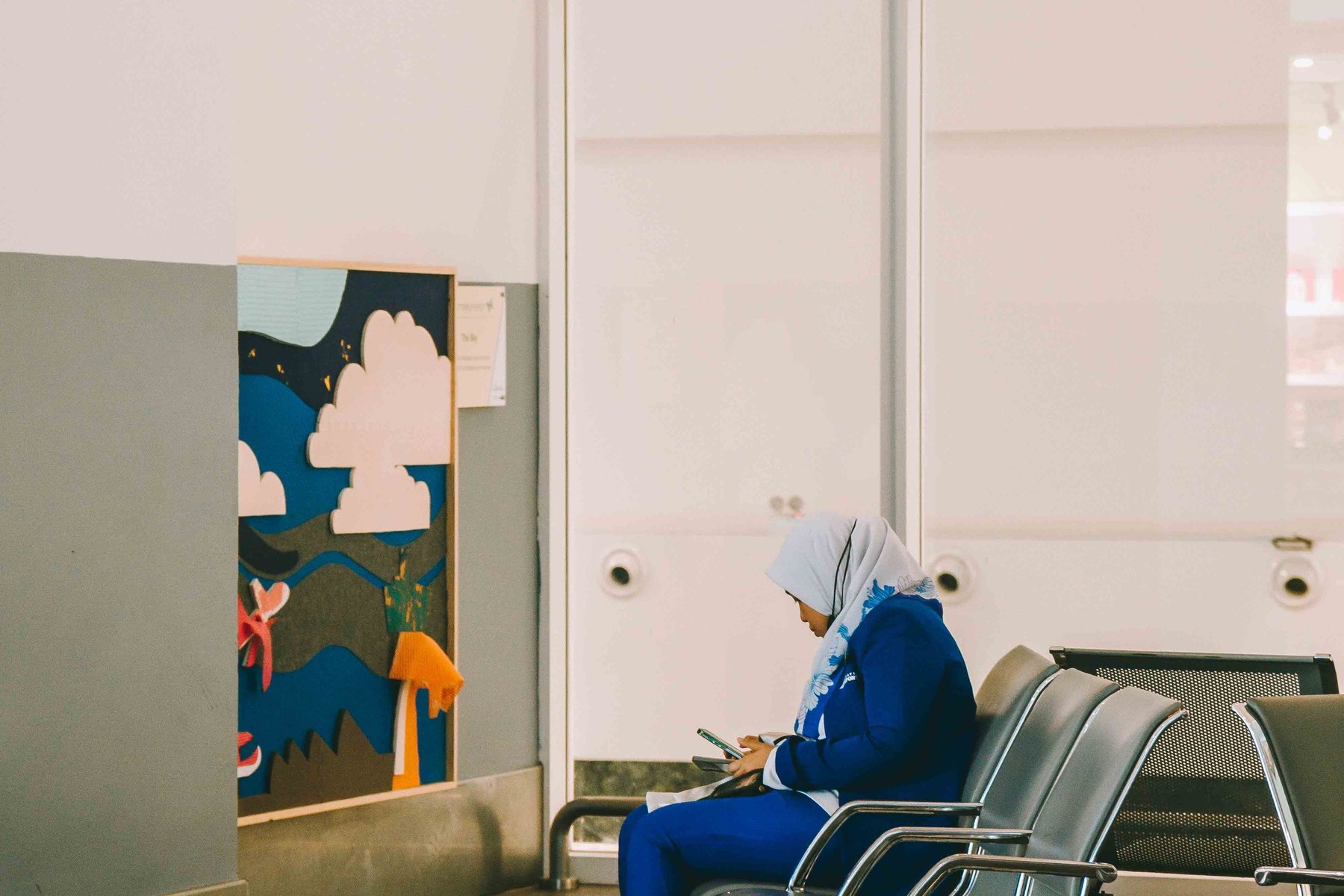
Time norms also differ between cultures, and not every lateness is a statement. Farman describes communities where people gather at the bus stop an hour early just to wait together, waiting as a shared ritual rather than a cost. When waiting is shared it stops being an imposition. What makes waiting poisonous is the asymmetry: one person’s time is treated as flexible, the other’s as expendable.
If you are the late one, the repair is simple and rare. Tell people early. Do not make them wonder. Apologize for the actual thing, “I did not budget enough time,” not the traffic, which is the excuse that blames no one and therefore admits nothing. If you are the waiter, you are allowed to start without them. You are allowed to say that the next time starts at the stated time. Boundaries here are not punishments. They are what makes a friendship safe for the chronically late to keep.
Nobody is remembered for being on time. But the people who never kept anyone waiting are the ones whose word you can build on. Being on time is not clock-worship. It is a way of saying that your time is not worth less than mine.