The Screenshot Is Not the Conversation: On Evidence, Context, and the Ethics of Capture
Somebody at the table says “look at this” and turns a phone around. On the screen is a conversation, maybe two messages long, maybe twelve, with a name at the top that you are expected to recognize or politely not ask about. You read it. You react. In that moment the screenshot has done the work it was made for: a private exchange has become a fact everyone at the table shares.
I have sent screenshots like that. I have also opened one from somebody else, read three lines, and formed a settled opinion about a person I have never met. The second case is the one worth sitting with, because it happens constantly and almost nobody stops to ask what they have just accepted.
What a screenshot actually holds
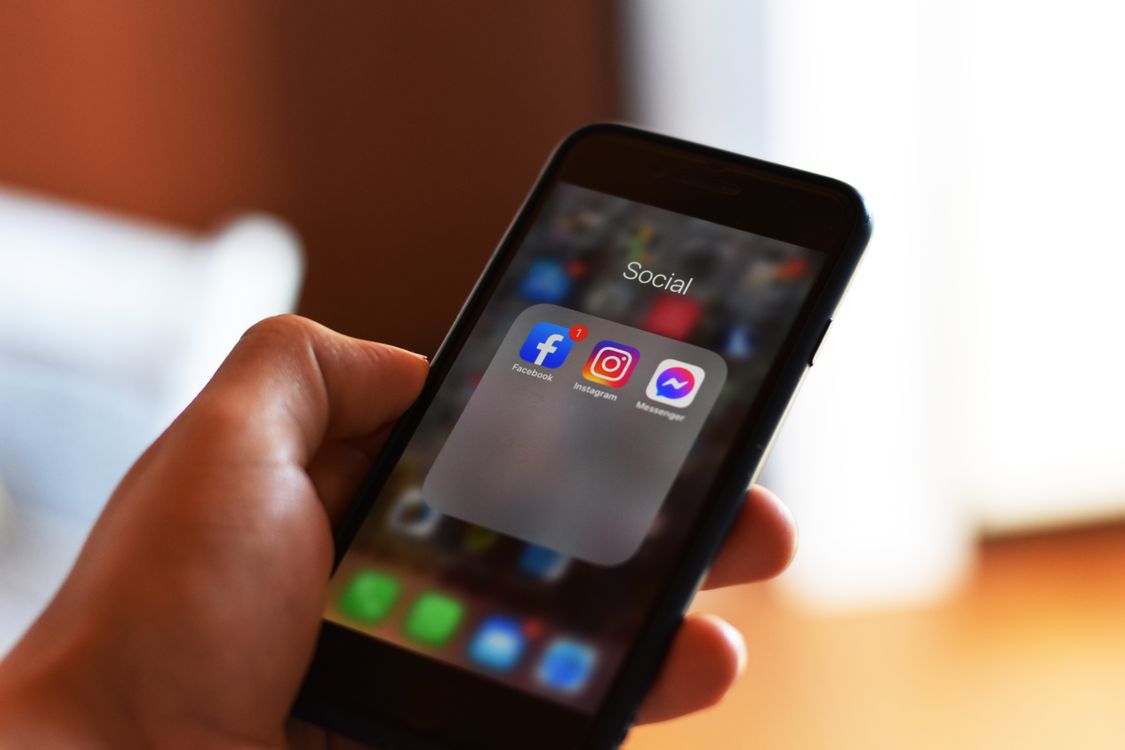
A screenshot is a raster copy of whatever was on a display at one moment, made by pressing two keys or dragging a thumb across glass. It is not the conversation. The conversation lives somewhere else, in a database with identifiers, timestamps, and the messages that came before and after the ones you can see.
What you are handed is a picture of a window onto that database, taken by one person, at a moment they picked, cropped to edges they picked. Everything outside the frame is invisible, and the frame is a choice. The file arrives as a new image with new metadata. Its creation date is the second of capture, not the second the words were typed, and nothing from the original travels with it except the pixels somebody decided to include.
None of this makes screenshots false. It makes them thin. They are the flimsiest kind of document that still looks, at a glance, like the strongest kind.
The social life of captured screens
The most useful study I know on this comes from Victoria Jaynes, published in New Media & Society in 2020. She spent time with teenage girls in a British youth centre and asked what screenshots were for. The answer was evidence. “A lot of people take screenshots of things to prove they are not lying,” one fifteen-year-old told her. “It’s just evidence isn’t it so you can’t be made out to be a liar.” Screenshots settled arguments because a screenshot looks like the thing itself, unedited and unarguable, and in daily life that appearance was enough.
The tool ran the other way as well. Girls with less standing in a friendship group described the fear of being captured, and possession of someone else’s messages was currency in a hierarchy that had no formal rules at all. They had a name for the person who passes a private conversation along: a snake. Nobody wrote that word into a policy document. It arrived with the technology and settled inside a school year.
This is how a good deal of ethics actually gets made. Nobody legislates, everybody adjusts, and after a while there are things you simply do not do. The same process produced the unwritten ethics of the group chat, where the norms are real, widely understood, and written down nowhere. Circumstances change, though. A rule that holds inside a friendship group of eight stops holding the moment a screenshot leaves it.
The room that asks a screenshot to be a fact
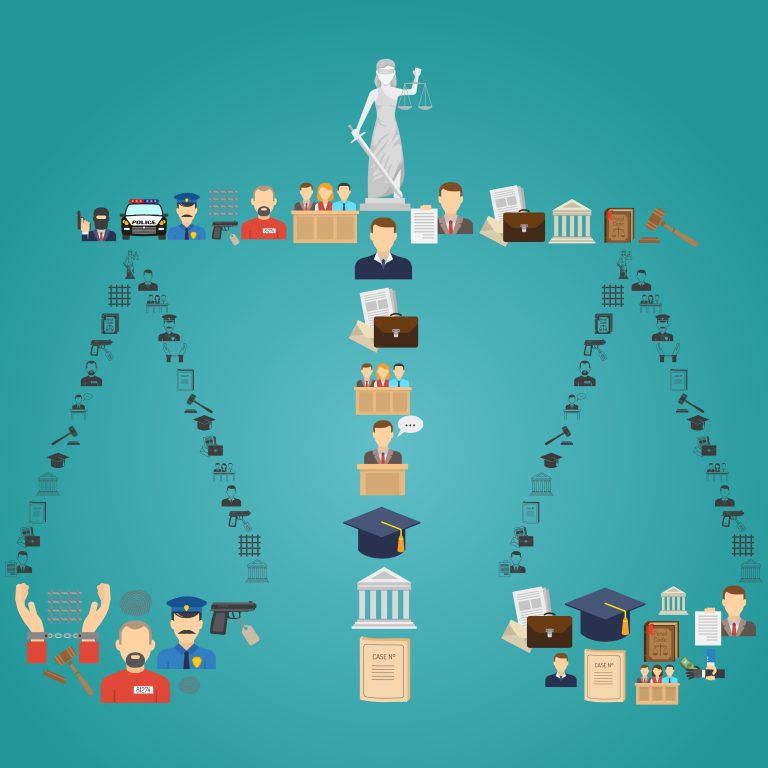
Courts are where the stakes change. There, a screenshot is a document, and what hangs on it is somebody’s freedom or their children.
In February the National Center for State Courts warned that AI-generated evidence now threatens public trust in the courts. California Judge Victoria Kolakowski identified audio and video submitted as authentic testimony in Mendones v. Cushman & Wakefield as machine-generated rather than recorded. In Florida, a woman spent two days in jail after her former partner allegedly fabricated text messages that led to her arrest for violating a protective order. The charges were dropped eight months later. “No one verified the evidence,” she said.
Two problems sit side by side. Fakes are cheap now, and they are getting cheaper. Less obviously, cheap fakes hand everyone a way to wave off the real thing. Defense attorneys have begun invoking what is being called the deepfake defense against genuine recordings, and judges are asking the question that follows from it. “Now do I, as a judge, have to question a source of evidence that has traditionally been reliable?” asked Judge Erica Yew. A proposed Rule of Evidence 707 would put machine-generated evidence under the same reliability standard as expert testimony, which is a reasonable answer and also a slow one.
The awkward part is that a screenshot was never technically strong. It is a picture of pixels, and the record that could authenticate it usually sits in a phone’s database where nobody looked. Courts accepted screenshots for years because they were good enough and cheap to read. Good enough is a real virtue and an unreliable foundation.
The same capture, pointed two ways
There is a version of this that complicates any easy verdict. After the 2020 protests against police violence, campaigners and independent newsrooms urged people to share a screenshot of a photograph rather than the photograph itself. A screenshot is a new file with new metadata, so it strips the original’s location and camera data. The image stays legible to a reader as a document of a protest and becomes much less useful to anyone trying to work out who was standing in it. Kelly Pendergrast wrote about this in Real Life, describing the screenshot as a small, slightly piratical act of taking something back from a system that records everything.
So the weakness becomes a shield. The missing provenance that makes a screenshot poor evidence in a courtroom also makes it safer to circulate when the person who could be harmed by a metadata trail is an ordinary person who went outside to object to something.

Which means the hardware tells you nothing about the ethics of the moment. Somebody capturing a care home’s visitor log to show that a resident was left alone and somebody capturing a colleague’s private message to humiliate her are performing the same gesture on the same phone. The difference sits entirely in what happens next, and in how long it lasts. A screenshot does not fade the way a sentence spoken across a table does, and the person inside the frame has no way to be present when the captured version of them gets passed around. Anyone who has watched one bad night follow somebody for years knows the shape of that problem.
What the crop leaves out, and who pays for it
The real power of the screenshot is that the argument ends at its edges. Whatever you say in reply happens outside the frame, so it sounds like an excuse: the frame contains the sentence, and the reply only contains a claim about context. What danah boyd calls context collapse is the general form of the problem, where words written for one audience arrive in front of another.
What surprises me is how rarely the misleading screenshot involves editing. You do not need to change a word. Crop above and below, take words that were said in a private register, drop them into a public one, and an accurate document can leave a false impression from beginning to end. The defense on offer is usually that it is literally what they said. That defense is available to everyone, including the person who screenshots you.
Machines read these images now, as well. Flagged posts, insurance claims, benefits paperwork and fraud queues run through review systems where a picture is judged in seconds and a person clicks approve or deny on the strength of it. The screenshot is becoming an input, and the person holding the phone that produced it rarely learns what it decided.
Custody, not capture
I am not going to argue that people should stop taking screenshots. The screenshot is often the only leverage an ordinary person has against an institution that will not answer the phone. A landlord’s contradictory emails, a manager’s off-the-record promise: capture is how the weaker party keeps a record at all. Advice to stop documenting is mostly advice that disarms the people with the least power.
The harder question is custody, which is a different thing from capture. Whoever holds the screenshot decides what the frame contains, who sees it, and whether the original still exists. That is a small authority over other people’s words, and it has been handed to everyone at once, children included, with nothing resembling an instruction manual.
The habits that follow are modest. Treat a screenshot as a claim rather than a conclusion, and notice how often asking for the message above it changes the story. If you are the one holding the original, keep it, because the picture is replaceable and the record is not. If you are the one passing something along, notice that the register has changed even when the words have not. And if you have ever been on the receiving end, you already know how strange it is to be summed up by a document you cannot open or correct.
A record is not the same as a fact. Custody is where the ethics actually lives: who keeps the original, and who decides when a private sentence becomes evidence. The phone in your pocket makes you a small archivist with authority over other people’s words, and it makes them archivists with authority over yours. None of us agreed to that arrangement. But here we are, every one of us with a folder somewhere on a device, and a decision about what to do with what is inside it.