Riding With the Pack: Why Joining a Motorcycle Club Is Safer Than Riding Alone
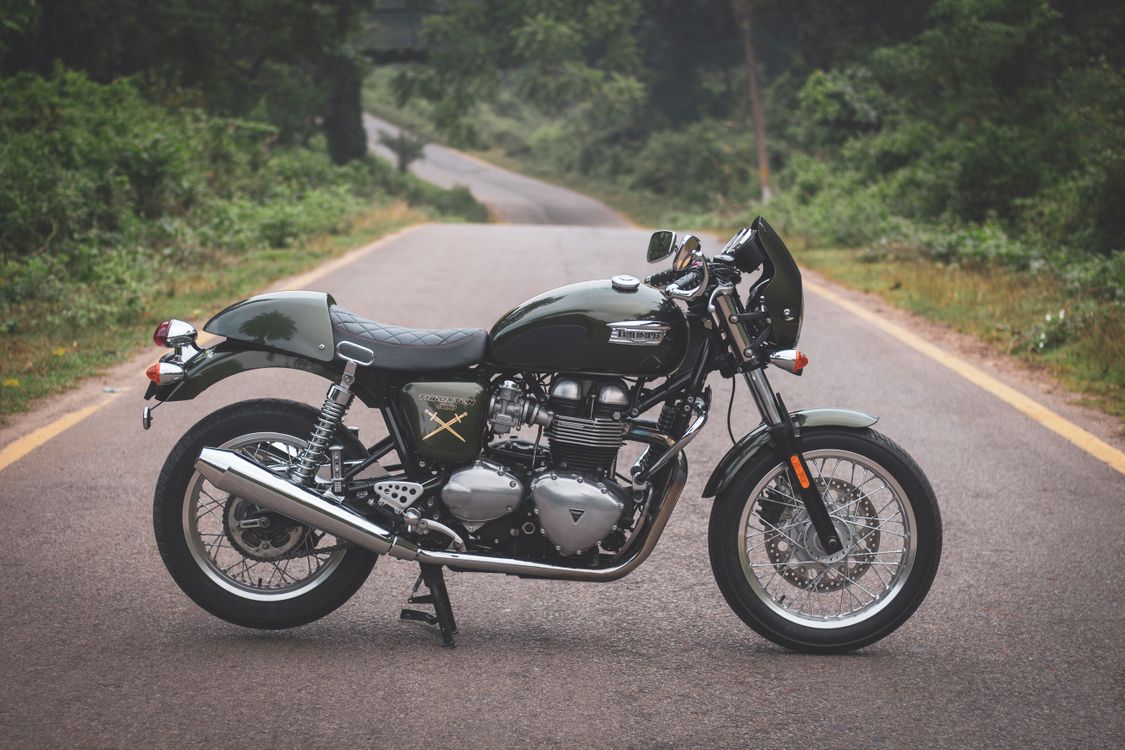
There’s this image we sell ourselves: the lone rider, leather jacket, open road, no destination, no obligations. It moves bikes off showroom floors. It fills movie seats. What it has to do with actually staying alive on two wheels is somewhere between nothing and actively harmful.
The freedom that matters is the one that gets you home. And the numbers — crash stats, hospital reports, forty years of club experience — are clear: riding with an organized motorcycle club is safer than riding alone, and a lot safer than riding with an unorganized group that calls itself a club.
This is structural. It’s baked into how clubs train, how they ride, how they move through traffic together.
The Vulnerability of the Isolated Rider
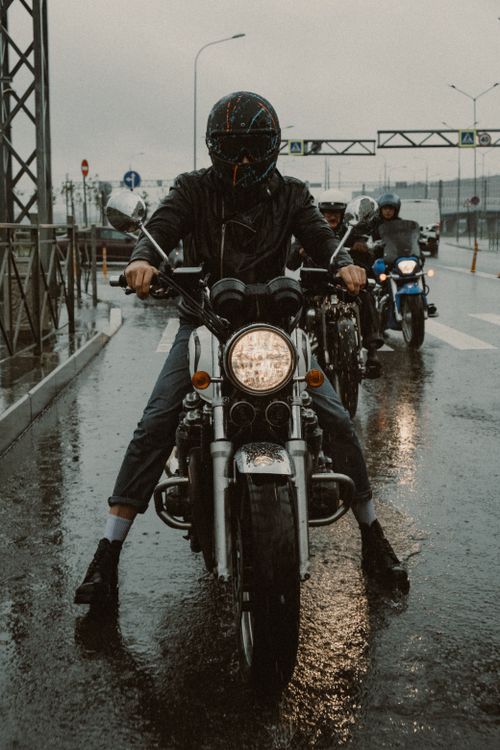
Think about the solo rider on a highway. Nobody watching their six. Nobody to signal when a car drifts into their lane. Nobody to call for help if they go down. According to the National Highway Traffic Safety Administration, riders who go down alone stay down longer, and every minute cuts their odds. The difference between a five-minute response and a thirty-minute one is life and death.
That solo rider is also missing the only safety tool that really scales: collective eyes on the road. One rider sees what’s ahead. A formation sees what’s ahead, both shoulders, the rear approach, and the gaps between cars in adjacent lanes — all at once. Twelve eyes beat two every time, and in a sport where a second of inattention ends a ride permanently, that multiplication matters.
The Organized MC: A Built-In Safety System
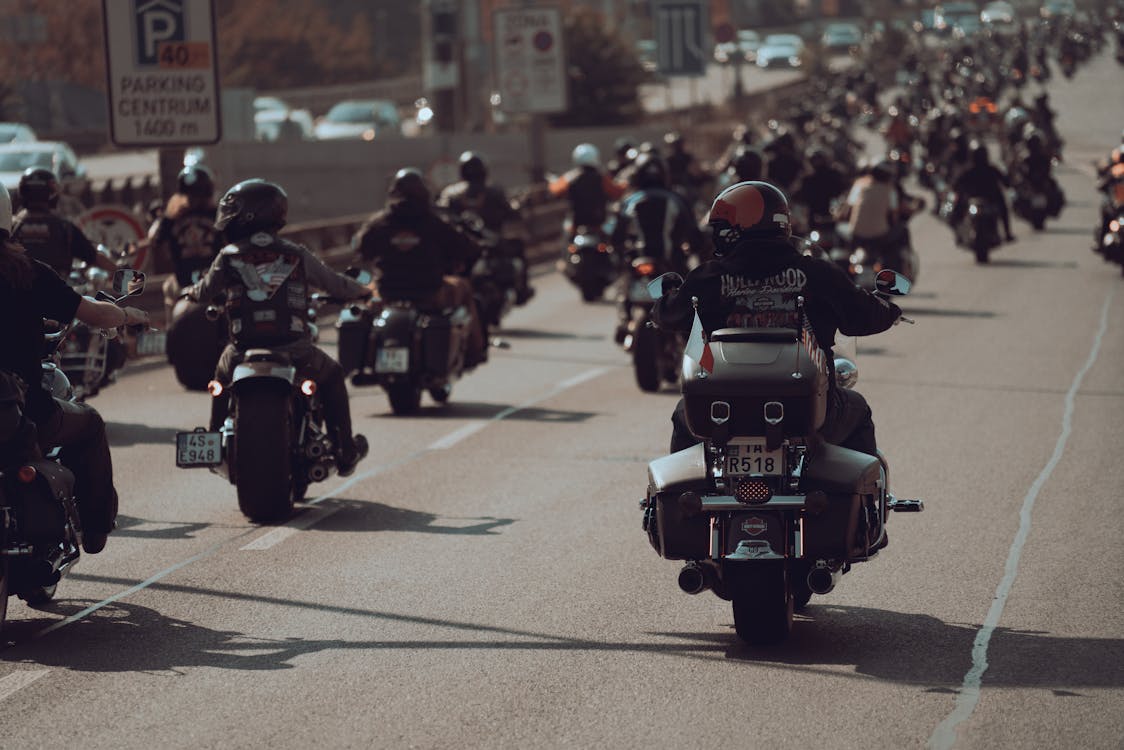
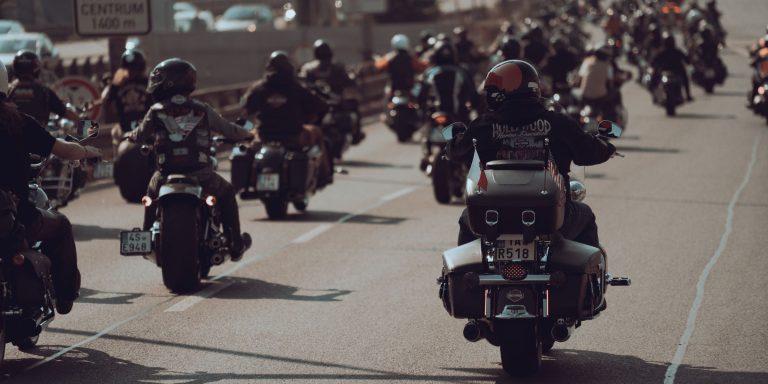
A club that knows what it’s doing doesn’t just ride together. It rides in a formation refined over decades: staggered positions, road captains managing pace and spacing, tail gunners covering the rear. The formation is built to maximize visibility to other traffic, maintain safe gaps, and keep everyone talking without radios. Hand signals do what phones can’t — instant, universal, hands-on. A tap on the helmet means cops. Left arm down means slow. Right arm up means slot in. You learn them once, you use them forever.
And the discipline matters. In a club, the formation is not a suggestion. It’s the rule. That’s what prevents the cascading failures that pile bikes up on the shoulder.
Most MCs also require a baseline of riding competence before a prospect rides in formation. New members ride at the rear, behind veterans who watch their line, their braking, their entry speed. It’s an apprenticeship model — one of humanity’s oldest teaching structures — and it means weaker riders get coached through real miles, not left to figure it out on the pavement.
What the Animal Kingdom Already Knows
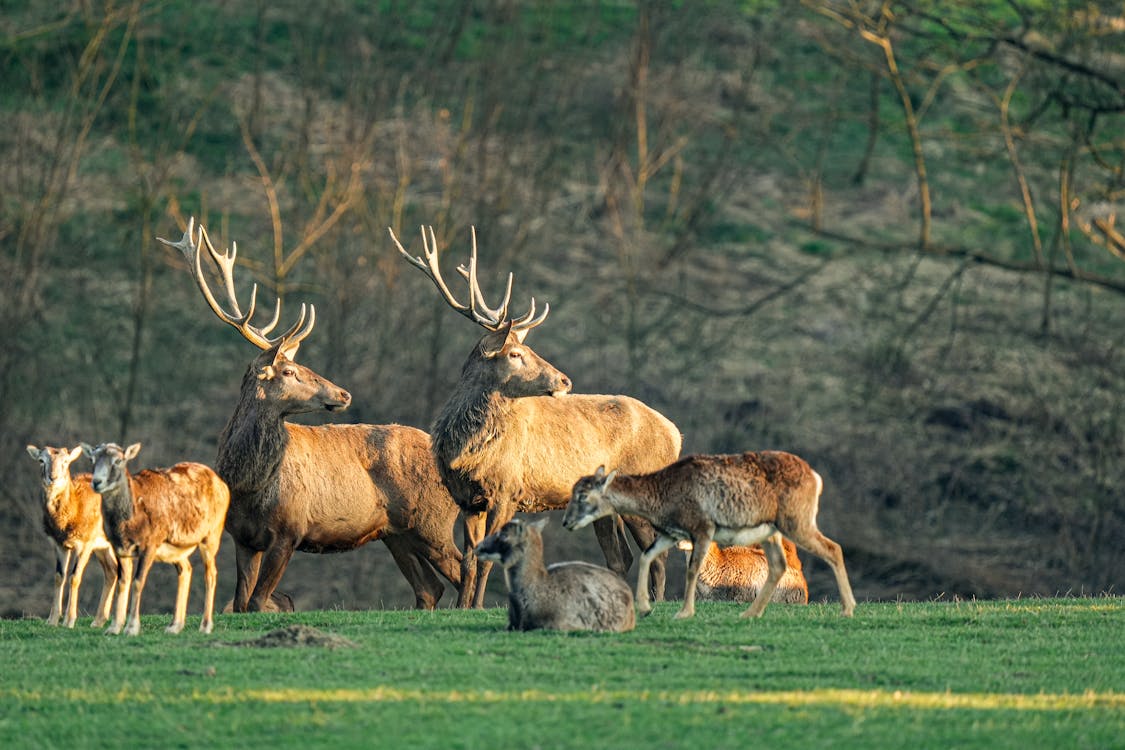
Every herd animal on earth operates on the same principle: the one at the edge is the one that gets taken. Predators target the straggler, the isolated member, the one who broke formation. This isn’t a metaphor. It’s biology. And it applies just as much to two-lane highways as it does to wildebeest crossing the Serengeti.
A deer isolated from its herd is ten times more likely to be taken. A solo motorcyclist is proportionally more exposed to bad drivers, debris, road hazards, mechanical failure, and nobody to fall back on. The club redistributes that risk. One rider has a mechanical issue, another stops with them. One misses a turn, the tail position collects them. One goes down, there are already hands reaching for phones, first aid kits, and flares before the solo rider would have even processed what happened.
The Illusion of the Unorganized Ride
Some riders think an informal group — a few friends heading out for a weekend — gives them the benefits of group riding without the structure of a club. This belief is dangerous. Informal groups lack the communication discipline, the position protocol, the ride-planning that makes a formation safe. What they have is the illusion of safety: everyone assumes someone else is watching, and in practice, nobody is.
The numbers bear this out. Informal group rides produce more accidents per mile than solo riding or organized club riding. Why? Because they combine the distributed attention of a group with the undisciplined behavior of riders doing their own thing. Some ride too close. Some ride too fast. Some assume the lead rider is navigating while the lead rider assumes everyone knows the route. The result is gaps, confusion, and sudden braking — the three things that pile bikes up.
An organized MC eliminates all of this through structure. One person owns navigation. One person owns rear security. The formation owns spacing and speed. Everyone knows their job. There is no ambiguity, and on a motorcycle, ambiguity is what gets you killed.
What a Good Club Provides That You Cannot Get Alone
The safety of an organized MC goes beyond the ride itself. Clubs maintain communication networks — phone trees, radio schedules, emergency contacts — that keep members connected even when they’re not on the road. If a member doesn’t check in after a long trip, someone calls. If a member is hospitalized, someone visits. If a member’s bike breaks down a hundred miles from home, someone comes with a trailer.
This isn’t sentimental. It’s infrastructure. The same principle that makes formation riding safe — distributing risk and responsibility across the group — is what keeps members alive between rides.
Traffic is getting worse. Distracted driving is at an all-time high. Road infrastructure is degrading. The margin for error on a motorcycle is shrinking every year. The smart rider doesn’t try to out-skill the risk. The smart rider reduces the risk by riding with people who have already built the system.
The lone rider is a beautiful image. But images don’t call for help when your engine cuts out at midnight on a cold interstate. A club does. That’s the difference between riding for the story and riding to arrive.